The Treasury’s license provides targeted relief from sanctions, but it does not lift the penalties altogether.
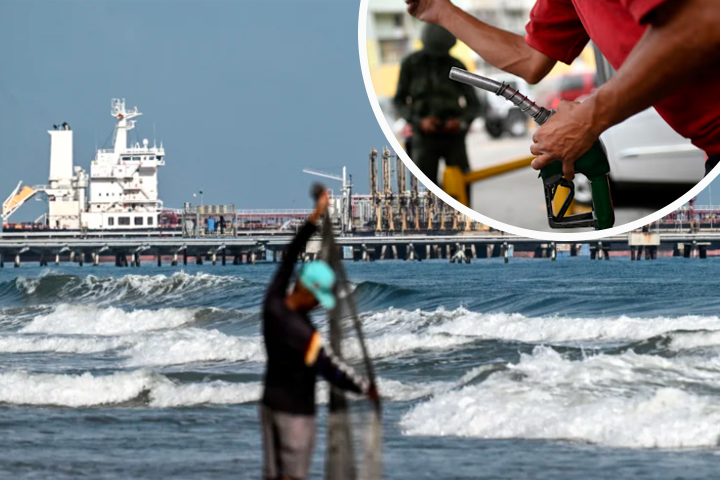
The U.S. Department of Treasury on Wednesday said it eased sanctions on Venezuela’s state-owned oil and gas company and will now allow U.S. companies to do business with the firm amid tightening oil supplies during the Iran war.
In a notice published by the Treasury’s Office of Foreign Assets Control, it stipulated that U.S. companies can now do business with state-run Petroleos de Venezuela, S.A., or any entity that the company owns. The move allows for the company, known as PDVSA, to sell Venezuelan oil to the United States and on global markets in what amounts to a significant shift in relations that had largely barred American companies from dealing with Venezuela’s oil sector.
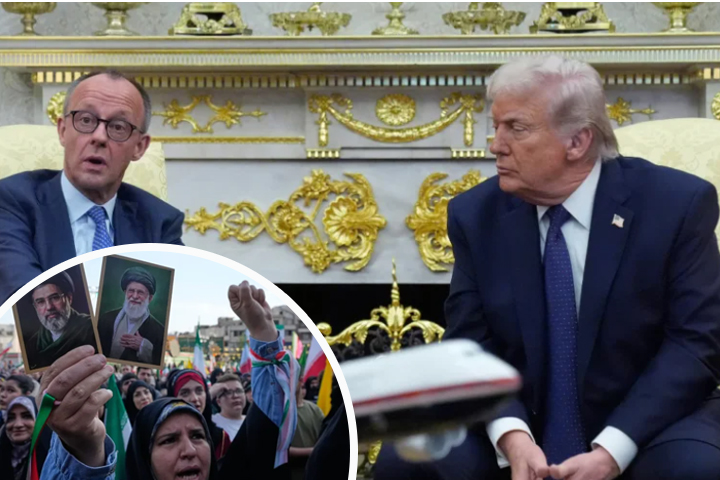
The decision suggests the Trump administration is under pressure to lower increasing oil and gas prices as the U.S.–Israeli military operation in Iran continues for a third straight week. Worldwide oil prices have increased as Iran has attacked ships in the strategically important Strait of Hormuz, which carries around 20 percent of the world’s oil from the Persian Gulf to markets around the globe.
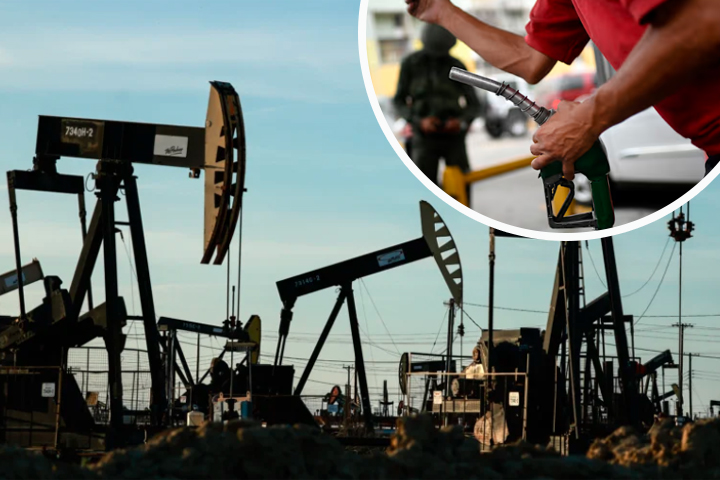
On Wednesday, the price for a barrel of Brent crude increased to around $109 per barrel, while West Texas Intermediate crude oil increased to $99. Daily data released by the American Automobile Association show that the price for regular gasoline increased Wednesday to $3.84 per gallon, up more than 90 cents from a month ago.
The Treasury’s license provides targeted relief from sanctions, but it does not lift the penalties altogether. The license allows companies that existed before Jan. 29, 2025, to buy Venezuelan oil and engage in transactions that would normally be banned under American sanctions.
Payments cannot go directly to sanctioned Venezuelan entities such as PDVSA, but they must be sent instead to a special U.S.-controlled account, according to the department’s notice.
The Treasury added that prohibited actions include “any transaction involving any individual or entity identified on the Office of Foreign Assets Control’s List of Specially Designated Nationals and Blocked Persons … excluding PdVSA, as well as any entity in which one or more of such persons identified” on the list own a 50 percent or greater interest.
It also bars “payment terms that are not commercially reasonable, involve debt swaps or payments in gold, or are denominated in digital currency, digital coin, or digital tokens issued by, for, or on behalf of the Government of Venezuela, including the petro,” a state-backed cryptocurrency that was shut down in 2024.
In January, the U.S. military captured Venezuelan President Nicolás Maduro, who was arrested and taken to the United States to face federal drug-related charges. President Donald Trump has said that the United States would attempt to open up the markets in Venezuela for further U.S. investment, while Interior Secretary Doug Burgum visited the interim president, Delcy Rodriguez, earlier this month in Caracas.
Venezuela has the world’s largest oil reserves and previously used its oil reserves to fuel what was once considered Latin America’s strongest economy. But corruption and mismanagement caused production to steadily decline from the 3.5 million barrels per day pumped in 1999, when Hugo Chavez took power, to fewer than 400,000 barrels per day in 2020.
Separately, White House press secretary Karoline Leavitt on Wednesday said Trump would waive Jones Act requirements for goods shipped between U.S. ports to be moved on U.S.-flagged vessels.
“This action will allow vital resources like oil, natural gas, fertilizer, and coal to flow freely to U.S. ports for sixty days, and the Administration remains committed to continuing to strengthen our critical supply chains,” she wrote in a post on X.